
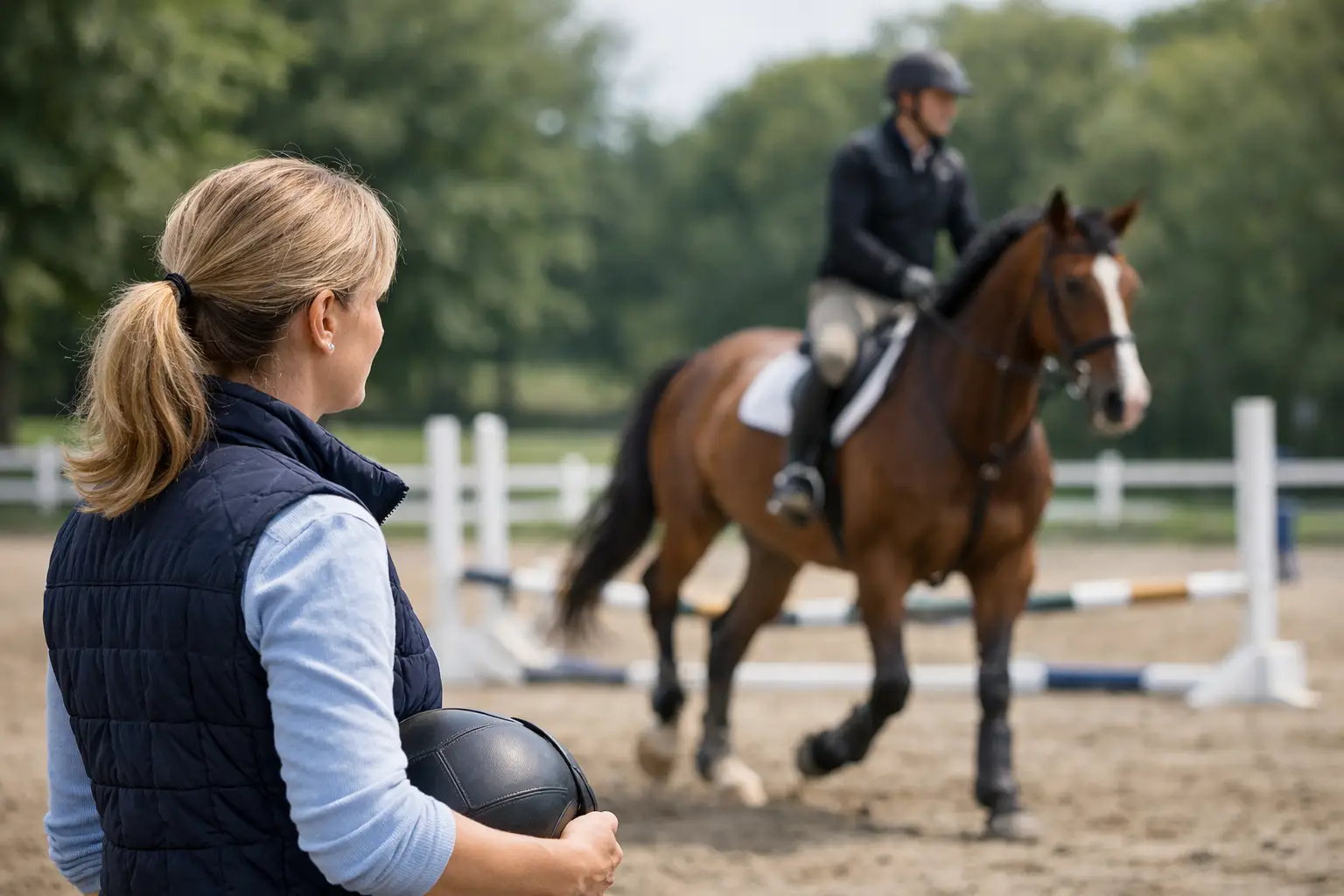

A horse can feel like a dream for twenty minutes in a tidy arena, with its owner holding the lead rope and everyone watching.
That's exactly why a trial matters. It isn't a chance to fall harder for the horse — it's your chance to find out whether he fits your real life, your skills, and the support you actually have. Get it wrong, and it can cost far more than the purchase price: a horse you're frightened to catch, training you never budgeted for, or the quiet loss of the joy that brought you back to riding in the first place.
Start With the Agreement, Not the Ride
Before the horse even arrives, get the trial terms in writing — how long it runs, who covers agistment, feed, injury and vet bills, and whether you can arrange your own pre-purchase exam during or after the trial.
That's not being difficult. It's what stops you making a rushed decision once the horse is already standing in your paddock and you're emotionally attached.
Be honest about what a short trial can and can't tell you, too. Three days might show you how a horse travels and settles. It won't show you how the partnership holds up after a month of wet weather, missed rides and ordinary life. The less familiar the horse is to you, the more that gap matters.
Most of the Real Information Is on the Ground
Riding isn't the whole test — a lot of warning signs show up before anyone gets in the stirrup.
Watch him arrive if you can. How does he unload? How long does it take to settle? A little calling or looking around is normal. Frantic pacing, charging at gates, or an inability to come back to a handler isn't something to explain away as "he's just stressed" — stress reveals coping skills, and you need to know what those actually look like before you own them.
Handle him yourself, with support: catch him from the paddock, lead him through a gate, pick up all four feet, tie him up for a sensible stretch. You shouldn't have to fight for basic personal space — and "he just needs someone confident" is a sentence worth being very honest with yourself about before you accept it.
A handful of ordinary moments tell you more than a nice canter ever will:
- Does he let you approach and catch him without drama?
- Does he lead with a soft, respectful feel?
- Can he stand for grooming, feet and tacking up without becoming fidgety?
- Does he settle after a surprise, or stay wound up?
Ride in Real Conditions, Not Just the Best Ones
One ride, right after the seller has worked the horse down, tells you almost nothing. Ride more than once if it's safe to, at different times of day, and ride the activities you'll actually be doing — trails if you want trails, not just the arena.
You're not chasing perfection. You're checking whether his responses feel manageable for you. There's a real difference between a horse that notices a scary bin, takes a breath and carries on, and one that spins or leaves you feeling like the steering's gone.
Pay close attention if you catch yourself making excuses before you've even bought him. "He'll be fine once he knows me" might be true. It might also be hope talking, and a trial is exactly the moment to trust what's in front of you instead.
Bring Someone Whose Opinion You Actually Trust
Take your instructor or an experienced horseperson — someone who understands your riding, not someone impressed by a flashy mover.
Skip "do you like him?" and ask instead: "Do you believe this horse is safe and suitable for me on an ordinary day?" That single question cuts through most of the noise a trial generates.
Check Him After Work, Not Just Before
A horse can look comfortable at the start of a session and tell a different story after. Once you've untacked, look for heat, swelling, uneven sweat, or girthiness — and watch how he recovers. Does he settle, eat and stand quietly afterward, or change noticeably when tired or separated from other horses?
None of this is a diagnosis you make yourself. It's the evidence that makes your next conversation with a vet a much sharper one.
Ask the Same Question More Than One Way
A decent seller can answer questions about history, injury, medication and behaviour without making you feel guilty for asking. Ask about the same thing more than once, in different ways, over the course of the trial — not to catch anyone out, but to see whether the story stays consistent.
And notice if pressure shows up: "there are three people coming tomorrow," "you need to decide tonight." It might even be true. It still doesn't change what you need to know first.
Picture the Tuesday Morning, Not the Dream Weekend
At the end of the trial, picture the least glamorous version of ownership — a long day at work, rain, low confidence, nobody else at the paddock. Can you safely catch, lead and handle this horse on a day like that?
That's not a negative question. It's a kind one — kind to you, and kind to the horse, who ends up blamed and passed on more often than not when the real issue was simply the match.
A trial gives you a lot of information in a short window. Turning all of it into a clear, confident decision — rather than three days of gut feelings you're not sure you can trust — is exactly what a proper framework is for. The True Match™ Guide walks you through what to look for at every stage of a trial, the questions worth repeating, and a printable checklist to bring with you so nothing gets missed in the moment.