
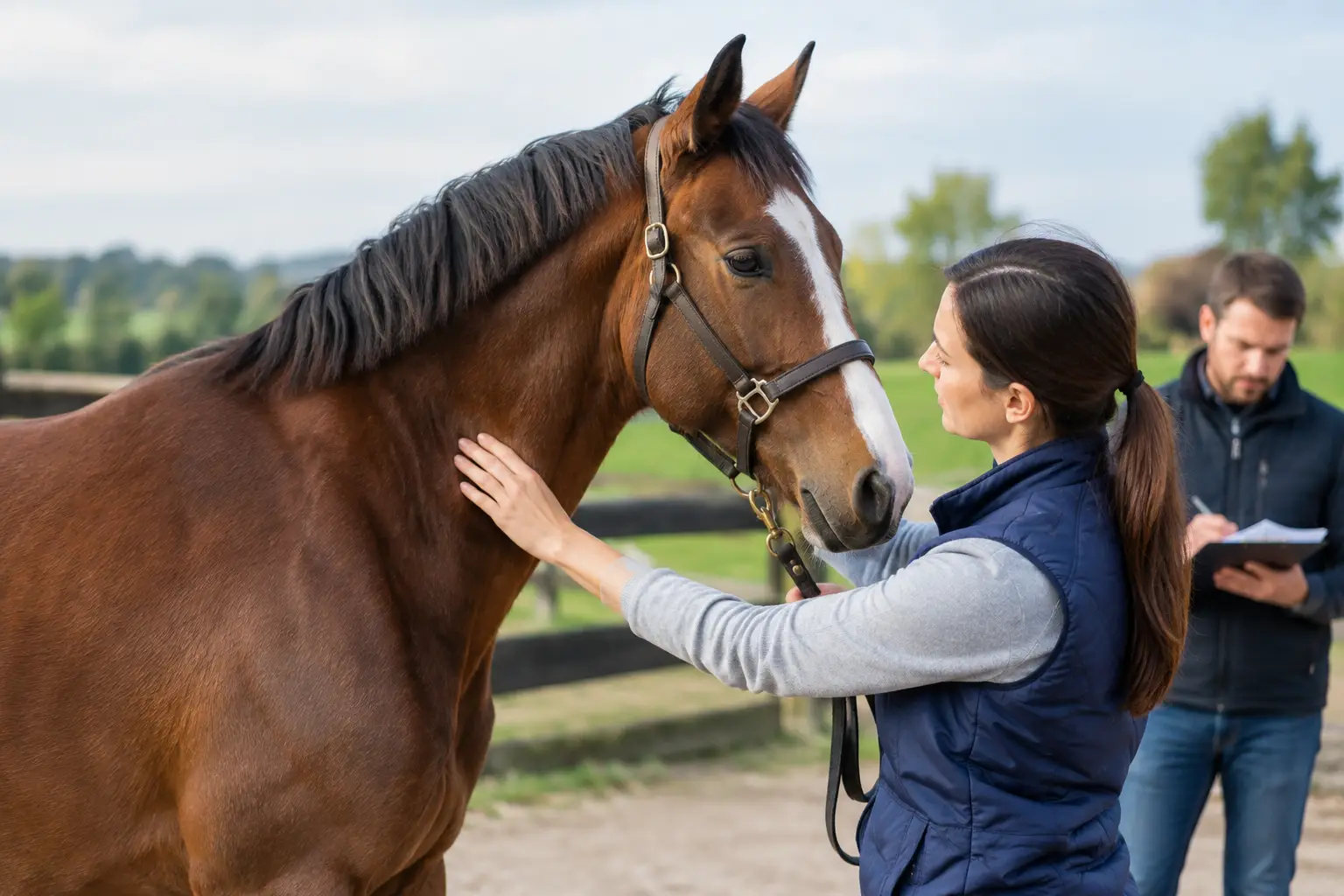

The horse may look lovely in the photos. The seller may sound genuine. You may already be imagining your saddle on its back. That is exactly when you need to slow down. Knowing how to prepare a horse inspection gives you something steadier than excitement to rely on when a purchase could affect your safety, savings and confidence for years.
A pre-purchase horse inspection, often called a vetting, is not a pass-or-fail test that tells you whether a horse is “good” or “bad”. It is an assessment of the horse on that day, for the job you have in mind. A finding that makes one horse unsuitable for a competitive eventing home might be manageable for a quiet paddock companion or light trail horse. Your job is to be honest about what you need, then make sure the veterinarian has enough information to assess the horse properly.
Start with your non-negotiables
Before you book anyone, write down what you are buying the horse to do. Be specific. “A horse to have fun with” is understandable, but it does not give a vet much to work with. Is this horse expected to carry you safely on trails, compete at dressage, jump, attend adult riding club, or help you return to riding after years away?
Also consider your own reality. Your current confidence, riding skill, budget for ongoing care, access to coaching and the facilities where the horse will live all matter. A horse can be clinically sound and still be too much horse for you. Conversely, a minor veterinary finding may not prevent a suitable match if your plans are modest and you understand the likely cost and management involved.
Tell the veterinarian what you plan to do with the horse, how often you expect to ride and what level of risk you can realistically accept. Do not soften the truth because you are worried they will talk you out of the horse. You are paying for a clear opinion, not permission to buy.
Choose an independent veterinarian
Where possible, choose a veterinarian who is independent of the seller. A vet who has not treated the horse before can offer a cleaner starting point and avoids putting anyone in an awkward position. If you are buying from interstate, ask your regular vet, coach or trusted horse professional for suggestions, but make the final call yourself.
Book the level of examination that suits the purchase and the work you want the horse to do. A basic examination may be reasonable for a low-cost companion, while a higher-value performance horse may justify a more detailed work-up, imaging or blood testing. There is no one right package for every purchase. What matters is that you understand what is and is not included.
Ask the clinic about the fee, travel costs, likely time required, whether samples or imaging are additional, and how the written report will be delivered. That is not being difficult. It is sensible preparation before you are standing in a strange yard, feeling pressured and trying to make decisions on the spot.
How to prepare a horse inspection properly
Once the appointment is confirmed, speak with the seller plainly. They need to know the date, time, expected duration and what the veterinarian may need. Ask that the horse be available, clean enough to examine, and kept in its normal routine unless the vet directs otherwise.
The horse should not be freshly exercised to the point of being tired, nor should it be sedated or given pain relief that could affect the assessment. It should be possible to see the horse move on a firm, level surface, and ideally on a circle as well. If the seller says this is not possible because the horse has no suitable area, take that seriously. It does not automatically mean there is a problem, but it can limit what the vet can assess.
Make sure the horse’s passport or registration papers, vaccination history, shoeing information and relevant veterinary records are available. Ask the seller ahead of time whether the horse has had previous lameness, surgery, medication, colic episodes, allergies, breathing issues or periods out of work. A good seller should not be offended by reasonable questions. If the story changes, records are mysteriously unavailable, or you are told not to worry about something that concerns you, do not ignore that feeling.
You should also ask whether the horse has had any recent joint injections, corrective shoeing, chiropractic treatment, ulcers treatment or ongoing supplements. None of these automatically makes a horse unsuitable. The concern is not the existence of management. It is whether you are being given the full picture before handing over your money.
Be there, and watch more than the vet
If you can attend the inspection, do. Your veterinarian is focused on the medical assessment. You are there to observe the horse as a whole and to ask questions that relate to your future with it.
Watch how the horse comes out of the stable or paddock. Is it relaxed, difficult to catch, bargy, anxious, withdrawn or respectful of the handler’s space? One tense moment does not define a horse, particularly in an unfamiliar situation. Still, behaviour is information. A horse that crowds people, drags its handler around or becomes unsafe during ordinary handling may be telling you something that a soundness assessment cannot answer.
Notice how the seller handles questions too. Are they calm and transparent, or do they keep talking over the vet, rush the process, dismiss observations or push for a decision before results are back? Pressure is not proof of dishonesty, but pressure buying is how people end up with a horse they were not ready to own.
If you have a knowledgeable coach or horse professional who understands your riding and goals, consider taking them along. Their role is not to make the decision for you. It is to help you stay grounded when your heart has already picked a name and a rug colour.
Know what the inspection cannot tell you
A pre-purchase examination is valuable, but it has limits. It cannot guarantee that a horse will never go lame, develop a condition, buck, bolt, be difficult to float or suit you emotionally. Horses are living animals, not used cars with a warranty.
The vet can assess observable health and soundness concerns and may identify risk factors. They cannot judge whether you will feel safe riding the horse six months from now, whether it will cope with your new agistment property, or whether its temperament truly suits your experience. That is why the riding trial, groundwork, handling and honest discussion about behaviour matter alongside the veterinary inspection.
Do not use a clean vetting as a reason to overlook red flags you have already seen. If the horse felt sharp, intimidating or beyond your ability during the trial, a satisfactory examination does not turn it into the right horse. Safety and suitability are bigger than X-rays and flexion tests.
Ask questions before you leave
At the end of the examination, ask the veterinarian to explain findings in plain language. What did they see? How significant is it for the work you described? Is further investigation recommended? What could the likely management, cost or risk look like over time?
You do not need to understand every clinical term. You do need to understand the practical meaning. Take notes, and ask for the written report before making a final decision if possible. If blood was taken, wait for the result. A seller who insists the horse must be paid for immediately because another buyer is waiting may be telling you that the sale matters more than your ability to make an informed choice.
Then give yourself breathing room. Go home, read the report, add up the likely purchase and ongoing costs, and speak with your support person if you need to. A horse that is truly right for you will still need to fit your life after the excitement has settled.
Walking away can sting, especially when you have fallen for a horse. But a short disappointment is far kinder than months of fear, lost confidence, vet bills and the painful realisation that you bought a problem you were never equipped to manage. The right decision protects the horse as much as it protects you.