
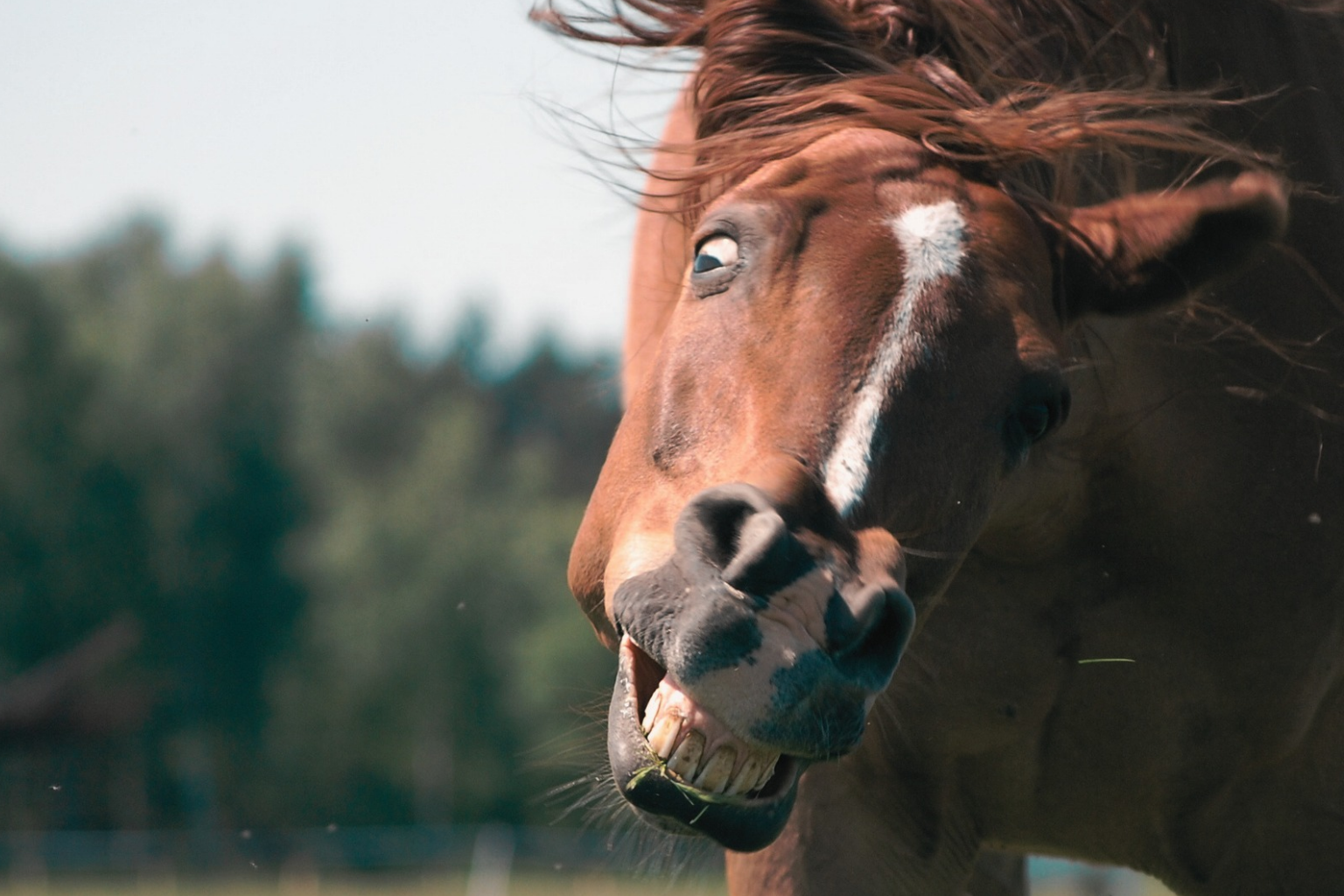

A horse doesn't have to buck, bolt or bite to be unsafe. Sometimes the first warning is much quieter. He crowds you at the gate, swings his hindquarters while being groomed, or makes you feel like you have to tiptoe around him. I want you to start there, honestly, because danger often begins the moment a horse's behaviour, your experience and the situation stop adding up to a safe margin.
That doesn't mean he's a bad horse. It means something needs honest attention before somebody gets hurt.
Here's the Question I'd Actually Ask
A horse becomes dangerous when he has the capacity, opportunity and reason to cause harm, and you can't reliably prevent or manage it. A quiet old school horse can turn dangerous if he's in pain or trapped. A fit, talented horse might be perfectly reasonable for a skilled rider and far too much horse for someone returning after years away. This is why I'm wary of labels like "naughty" or "just cheeky." They can minimise something that deserves a closer look. I'd rather you ask, "What is he actually doing, what's driving it, and am I genuinely equipped to handle it safely?"The Signs I See People Talk Themselves Out Of
Most riders don't ignore danger because they're careless. They ignore it because they want the relationship to work, or they've already spent money, or they're embarrassed to admit they're struggling. I've watched too many good people lose their nerve slowly, by explaining away the signs their body had already noticed. A few of the patterns I'd want you taking seriously:- He doesn't respect space on the ground. Barging, dragging you to grass, shouldering you aside. A 500-kilo animal doesn't need aggressive intent to injure you badly.
- His reactions are big, fast or unpredictable. All horses spook. I'm talking about a horse who repeatedly goes from calm to explosive with little warning.
- He threatens or uses teeth and feet around people. Pinned ears alone don't tell the whole story, but ears pinned with a snaking neck, striking or deliberate biting attempts need real attention.
- He becomes unsafe in the ordinary tasks. Beautiful under saddle for ten minutes, then impossible to float, shoe or hold for the vet.
Please Consider Pain Before You Consider Character
Sudden changes in behaviour should never be treated as a training problem first. A previously willing horse who starts bucking or rushing may genuinely be trying to tell you something hurts. Saddle fit, teeth, feet, ulcers and back discomfort can all show up as behaviour long before anyone thinks to check them. This is where I'd ask you for both compassion and clear boundaries at the same time. Get a proper veterinary assessment. And please, don't keep putting yourself in harm's way while you wait for the answer. Pain may explain the behaviour. It doesn't make the risk disappear in the meantime.The Match Between You and the Horse Changes Everything
A horse can be genuinely safe for one person and unsafe for another, and that's not a judgement on either of you. An experienced professional might have the timing and setup to manage a sharp horse safely. A newer owner might not, and that's simply honest, not a failure. Be truthful about your current skills, not the rider you're hoping to become in six months. Can you recognise early tension? Do you have regular support from a capable instructor? There's no prize for buying a horse that genuinely scares you. "He'll teach you to ride" is sometimes sales language for a horse with more power than the buyer can safely manage.What I'd Actually Do When I See Dangerous Behaviour
Your first job is reducing the chance of injury, not proving you can handle it. Step back from situations that feel unsafe. If there's immediate risk of kicking or bolting, get qualified, in-person help. A good professional watching the horse, your handling and the pattern together is worth far more than well-meaning advice from the fence line. If you're considering buying a horse, watch more than the ridden demonstration. See him caught from the paddock, led, and handled by the person who normally manages him. Visit more than once if you possibly can.The Sales Pressure Nobody Warns You About
Here's something worth knowing before you're standing in someone's yard with your heart already involved: pressure itself is a red flag. If you're told there's another buyer arriving in an hour, or that the horse only misbehaves because you're nervous, you're still allowed to walk away. A horse can be talented, beautiful and genuinely loved, and still be the wrong horse for you specifically. There's a very specific pattern to how this kind of pressure shows up, and a specific reason certain phrases get used at exactly the moment they do. That's exactly the kind of thing I built my free guide to help you recognise, before emotion and a ticking clock make the decision for you. 👉 Get the free 5 Red Flags guide hereTrust the Information, Not the Fantasy
You don't need to wait for a dramatic accident before deciding a situation is too risky. That tight feeling in your stomach might be fear, but it might also be your common sense noticing a pattern you've been quietly encouraged to overlook. Good horsemanship was never about forcing yourself through every problem. It's about seeing the horse in front of you clearly, and choosing a partnership where you both have a fair chance to feel safe. If you're actively looking at a horse right now and want the complete system for reading these warning signs correctly under real pressure, that full framework, the questions, the way to read a seller's answer, and a printable checklist for every viewing, is exactly what The True Match™ Guide walks you through.💛 The True Match Guide - $27
A complete framework for spotting genuine danger signs and seller pressure before you buy, so you're working from evidence rather than hope. Backed by a 30-day, love-it-or-it's-free guarantee. 👉 Get The True Match Guide Here