
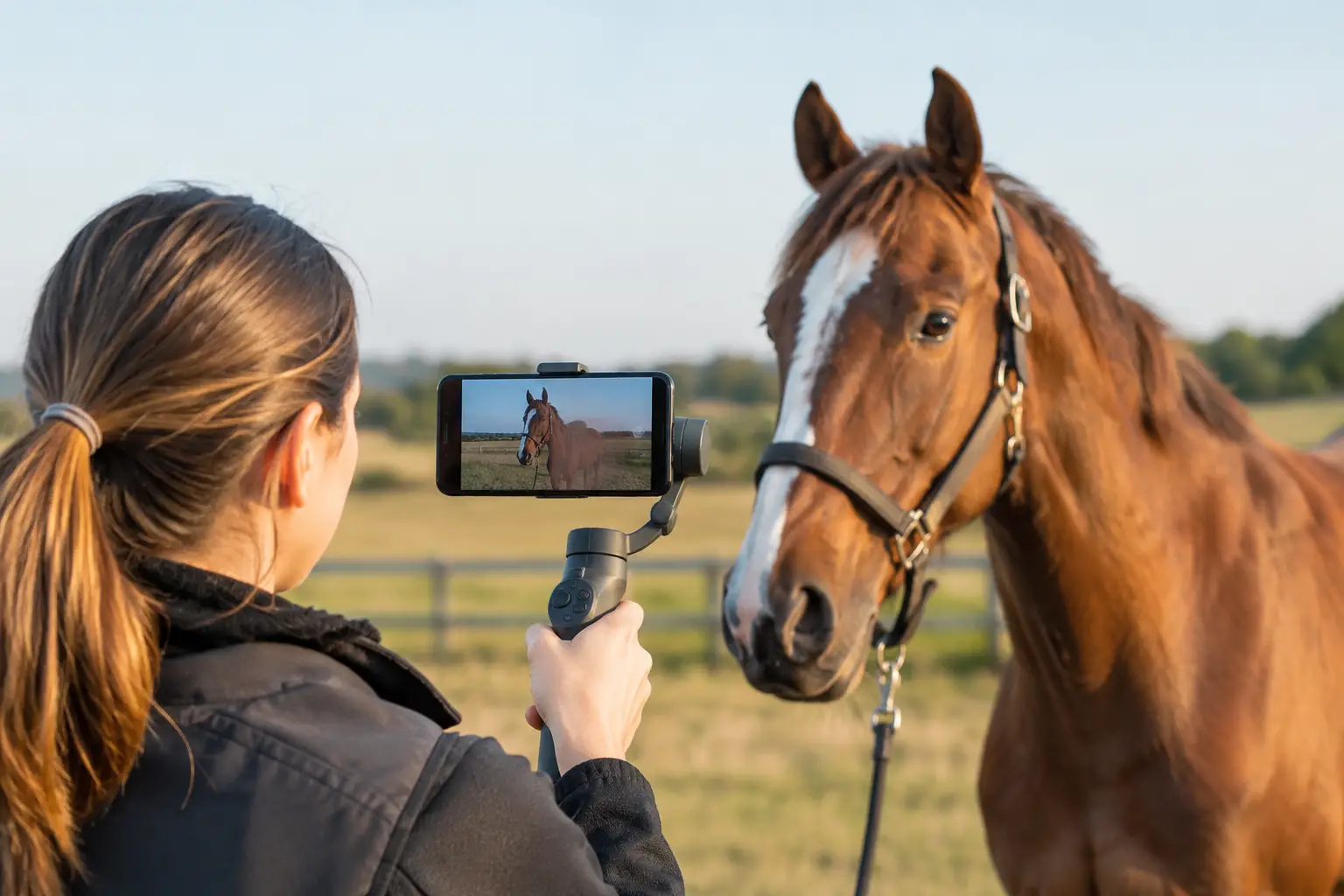

Can I level with you for a second? A polished video can make a horse look like the answer to everything you've been hoping for. Quiet, willing, soft in the contact, safe enough for your confidence. So are seller videos reliable? They can genuinely be useful, I won't pretend otherwise. What they're not is proof that a horse is suitable for you, safe in ordinary handling, or honestly represented.
That distinction can save you from an expensive, heartbreaking mistake. A video is a carefully chosen slice of a horse's life, usually filmed on one good day, with a capable rider, in familiar surroundings. It might show a lovely horse. It might also leave out exactly the information that matters most when you're deciding if you can live, ride and feel safe with him week after week.
What a Video Actually Confirms
Here's the honest answer. A seller video is reliable for one thing, confirming he can perform the behaviour shown in that particular clip. If you see him walk, trot and canter under saddle, you know he's done those things at least once in that setting. That's really all you can safely conclude from it. It can help you decide if he's worth travelling to see. It shows basic movement, apparent way of going, and if he's being ridden in a discipline that interests you. It might even reveal obvious concerns that save you the trip entirely, a tense expression, rushing, tail swishing, or a rider working hard to keep control. What it can't reliably tell you is how he behaves in the moments that actually make up daily ownership:- Being caught after a wet week
- Led past another horse
- Tied to the float
- Standing quietly while you sort out a gate
What a Video Might Be Hiding Without Meaning To
Editing isn't automatically a red flag. A seller might trim a long ride simply because nobody wants to watch twenty minutes of circles. But selective footage changes what you can actually assess. If every transition's cut and he only appears already warmed up, you're being shown a performance, not the whole picture. Pay close attention to who's riding. A horse can look completely uncomplicated under a confident professional, then feel like far too much horse for a returning adult rider. That's not a failure on your part. He doesn't need to be dangerous to be unsuitable. A forward, sensitive horse responding beautifully to an expert may still overwhelm someone rebuilding confidence from scratch. The setting matters too. A horse going quietly in his home arena after being worked beforehand tells you far less than one being handled straight from the paddock. Some horses are saints in a familiar routine and come undone the moment anything changes. Your job is working out which one you're actually looking at. Watch for what's missing. Ask yourself:- Is there footage of him standing at the mounting block
- Does he walk on a loose rein anywhere in the clip
- Is there any ordinary handling at all, or only flattering ridden work
How to Watch a Sales Video With Clear Eyes
Before you even press play, write down what you actually need, not your dream horse on his best day, your real needs. Maybe you need something quiet to catch and handle, forgiving when your balance slips, and steady enough to help you enjoy riding again. That matters far more than a flashy trot or a beautiful colour. Watch it the first time with the sound off. Sellers often describe a horse as quiet or easy, and those words can quietly shape what your eyes think they're seeing. Without the commentary, look at his expression. Does he look settled through the eye, jaw and tail? Does the rider look relaxed, or are they constantly managing speed and contact? Then watch again and focus purely on the rider. A quiet horse doesn't require perfection from whoever's on him, but a difficult one might be held together by someone skilled with excellent timing. Look for fixed hands, gripping legs, repeated corrections, a horse who never truly takes a breath. One moment alone means little. A pattern deserves your full attention. It's entirely reasonable to ask when the clip was filmed and if he'd been ridden beforehand. Ask who's riding, how often he's worked, and if this footage shows his normal level of work. A straightforward seller won't be offended by practical questions like these.Ask for the Unpolished Footage Too
If the first video interests you, ask for short clips of everyday tasks rather than another edited riding montage:- Being caught, led, groomed, saddled and mounted
- Genuine footage out of the arena if trails matter to you
- How he copes away from home if he'll live on agistment or travel to clinics
The Viewing Is Where the Real Assessment Starts
Never buy a horse off video alone, however lovely he looks or far away he is. A video can earn him a place on your shortlist. It cannot replace a viewing, a proper trial, an independent vet exam, or the opinion of a knowledgeable horse person with no financial stake in the sale. At the viewing, arrive early if you can. You want him in an ordinary moment, beyond groomed and ready to perform:- Watch him being caught and handled
- Notice his reaction to the saddle and mounting block
- Ask the seller to ride first
- See if he behaves the same once a rider closer to your ability gets on
When a Good Video Is Actually a Good Sign
None of this means dismissing every well-made seller video. Clear, longer footage can genuinely be a positive sign, especially when it shows him from paddock to ride and includes the normal mistakes and unglamorous moments. A seller who openly talks about his quirks and the rider he'd actually suit is giving you something more valuable than a sales pitch. Context.Where This Actually Gets Decided
Here's what I really want you to walk away with. The video was never going to be the thing that tells you if he's right for you. At best it narrows your shortlist. The real decision gets made later, standing in front of him, listening to how a seller answers the questions you're not quite sure how to ask yet, and noticing if your own gut agrees with what you're being told. That's the part almost nobody prepares buyers for properly. Knowing exactly which questions separate an honest seller from one who's simply good at editing, and trusting yourself enough to walk away when the answer doesn't sit right, is the whole difference between a lucky purchase and a planned one. It's exactly what The True Match™ Guide walks you through, from reading that very first video all the way to the viewing itself. Trust what you see, but trust your own unease just as much. If the footage leaves you with questions, ask them. If the answers don't sit right, walk away. The right horse should never require you to talk yourself out of your own good judgement.💛 The True Match™ Guide - $27
A complete framework for reading a horse and a seller honestly, from the first video through to the in-person viewing, with the exact questions to ask and a printable checklist for the day itself. Backed by a 30-day, love-it-or-it's-free guarantee. 👉 Get The True Match™ Guide Here