
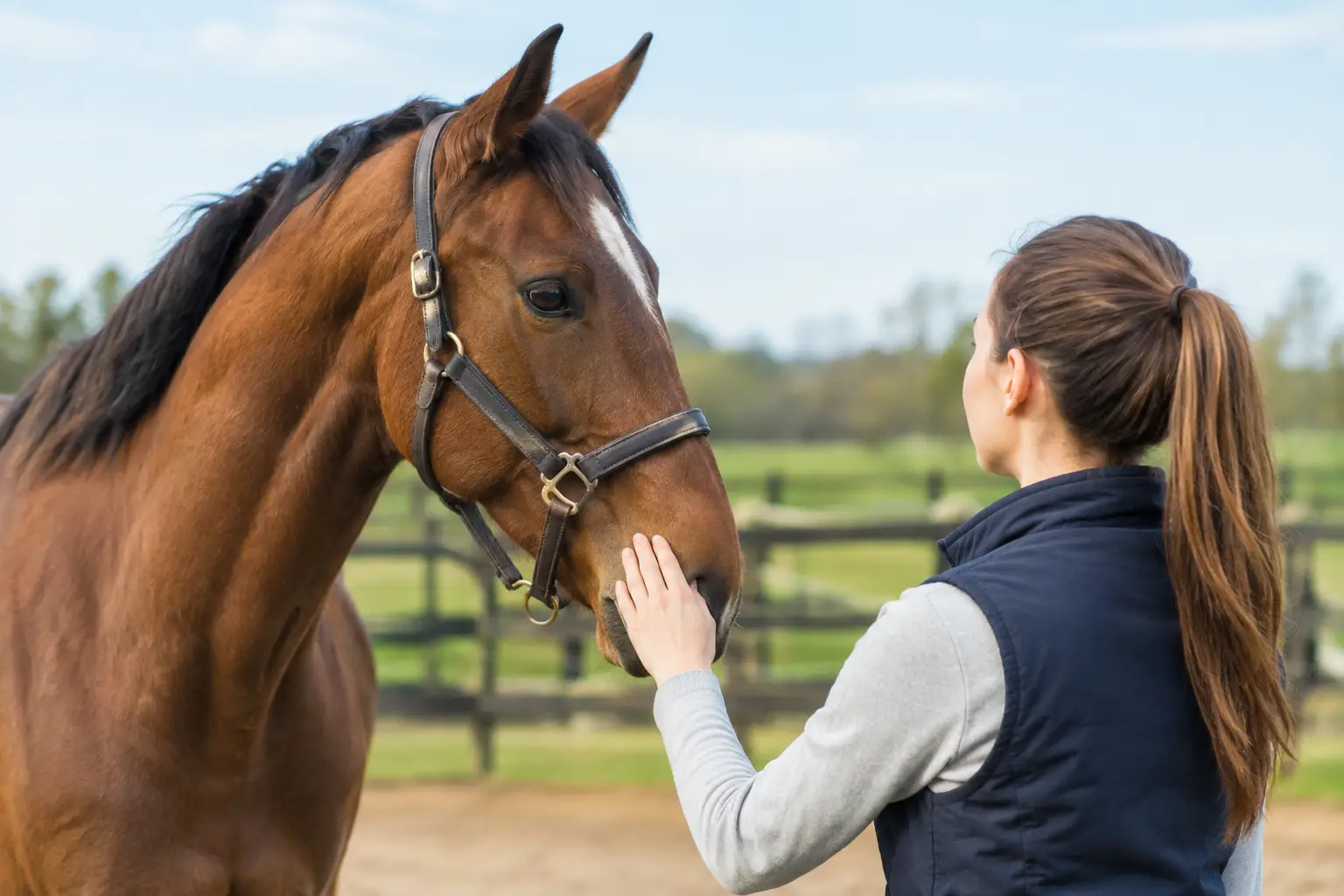
A horse can look quiet in a stable and still make you feel unsafe the moment a lead rope is clipped on. That is why learning how to assess horse manners matters before you fall in love with the colour, the movement or the story you have started telling yourself about your future together.
Manners are not about demanding that a horse stand like a statue or behave like a machine. They are about whether the horse can be handled safely, respectfully and predictably by an ordinary person on an ordinary day. For a first-time owner, returning rider or amateur with limited help at home, that difference can protect your confidence, your body and your bank account.
A horse with poor ground manners is not automatically a bad horse. Pain, fear, inconsistent handling and a stressful environment can all show up as pushiness, rushing or resistance. But you are not buying a rehabilitation project by accident. You need to see the horse as it is now, and decide whether its current behaviour is genuinely within your skill set and support network.
How to assess horse manners before the ride
Do not begin your assessment in the saddle. Watch what happens before anyone touches the horse. Arrive a little early if possible and ask to see the horse caught from its paddock or brought from its yard. A horse that is already groomed, tacked up and waiting for you may be beautifully presented, but you have missed a great deal of useful information.
Notice its expression and overall level of tension. Is it quietly aware of people, or is it scanning, calling, barging around and unable to settle? One neigh across the property is not a red flag. A horse that cannot focus for even a few moments, drags the handler from place to place or becomes frantic when another horse moves away deserves a closer look.
Pay attention to the person handling it as well. Are they relaxed, or are they bracing, shortening the rope, constantly correcting or carefully keeping out of the horse’s way? Experienced sellers can make a difficult horse look manageable. Watch their body language, not just their explanation.
A useful question is: does this horse make the handler’s job easy, or does the handler have to work hard to prevent a problem?
Start with catching and leaving the paddock
Catching tells you something about a horse’s willingness to engage, though context matters. A horse may be hard to catch because it is in a huge paddock, has just arrived somewhere new, or is worried about leaving companions. Still, do not dismiss repeated avoidance with, “He just likes being out.”
Watch whether the horse allows the halter to be put on without swinging its hindquarters towards the person, walking off or threatening to bite. A horse does not need to march up and put its nose in the halter, but it should be catchable without a chase around the paddock.
Once caught, observe the first few steps. Does it walk beside the handler, or shoot ahead and pull? Does it plant its feet at the gate, rush through it or crowd the person opening it? Gates are a common place for accidents because people are distracted and their hands are full. A horse that barges through a gate is not showing personality. It is showing a gap in safe handling.
Check personal space on the lead
A polite horse understands that people have space too. It should lead at a sensible pace with a soft, loose enough lead, stopping when the handler stops and not leaning its shoulder, head or whole body into them.
That does not mean the horse must be perfectly positioned at every step. Horses are living animals. They may look at something, hesitate or become momentarily curious. What you are assessing is the response after a small mistake. When asked to step away, does the horse soften and try, or does it brace, push harder or become offended?
Look closely for these patterns:
- Walking ahead until the lead rope is tight, then continuing to pull.
- Swinging the shoulder into the handler or stepping on their toes.
- Crowding while standing still, especially when food or other horses are nearby.
- Rushing when turning, going through a doorway or heading back towards the paddock.
- Dragging the handler towards grass, a feed bin or another horse.
- Backing up or spinning away whenever pressure is applied to the rope.
One isolated behaviour may have an explanation. A repeated pattern is the information. Be especially cautious if the seller laughs off crowding or dragging as the horse being “cheeky”, “full of character” or “just a big softie”. Size matters. A pushy pony can bruise your foot. A pushy 600-kilogram horse can put you in hospital.
Watch how the horse stands for ordinary handling
You do not need to test every skill yourself. In fact, if you feel unsure, do not take over just because you think you should. Ask the owner to show you routine handling first, then decide what you are comfortable doing with appropriate supervision.
A suitable horse should be able to stand reasonably for grooming, picking up feet, being hosed if relevant, and having rugs put on or taken off. Watch for ears pinned back, snaking the neck, threats to bite, lifting a hind leg, shifting away, striking or continually walking off.
Again, use your judgement. A horse with a sore back may object to grooming in one area. A horse with poor hoof balance may struggle to hold up a foot. Those are reasons for further investigation, including a proper veterinary examination, not reasons to label the horse naughty. But if basic tasks regularly turn into an argument, you need to ask yourself who will be managing that argument after the sale.
Ask to see the horse tied up only if it is normally tied. Does it stand quietly with a safe amount of rope, or pull back, paw, swing its quarters and become agitated? A horse that pulls back can be taught better skills, but the risk and training commitment are real. Do not buy that problem assuming love and good intentions will fix it.
Pay attention around feed, rugs and other horses
Some behaviour only appears when the horse thinks a resource is at stake. Watch it near feed, when another horse approaches, and when a rug is handled. A pinned ear is communication, not a crime. But aggressive behaviour towards people around food, space or equipment needs an honest assessment.
Ask direct questions: Has the horse ever bitten? Kicked at someone? Pulled away and broken a lead or tie-up? Been difficult for the farrier, vet, dentist or float loader? Then pause and let the seller answer fully. Vague replies such as “not with me” or “only when he is fresh” are not enough. Follow up with what happens, how often, who can handle it and what has been done about it.
See whether manners hold up when life is less tidy
A horse can behave well in its familiar routine and unravel in a new setting. That does not make it unsuitable, but it does affect the level of experience required. If you are buying a horse to agist, float out, attend clinics or ride away from home, ask to see some evidence of how it copes beyond its usual stable block.
Loading is one example. A horse does not have to walk onto a float as though it has rehearsed for a demonstration, but loading should not involve panic, force, dangerous rushing or an hour-long battle. If the seller says the horse has not floated recently, take that as missing information rather than proof that it will be fine.
The same principle applies to being separated from mates. A horse may call or look around. That is normal. But a horse that becomes unhandleable, rears, spins or drags people back to the herd may be too much horse for someone seeking a safe, confidence-building partner.
Do not let a good ride erase poor manners
This is where buyers often get caught. They have a lovely ride, feel a spark, and mentally excuse everything that happened on the ground. Please do not do that.
Ground manners are part of the whole horse. You will catch, lead, rug, feed, hold for professionals, load and manage that horse far more often than you will ride it. If those daily jobs leave you tense, needing another person nearby or worried about being knocked over, the partnership will wear you down quickly.
You are allowed to want a horse that is kind, safe and manageable on the ground as well as enjoyable under saddle. That is not being fussy. It is being realistic about the life you want with your horse.
If you are unsure, arrange a second visit at a different time of day and bring a knowledgeable, independent person who will tell you the truth. Louise Kropach has seen how quickly confidence can disappear when buyers talk themselves past the signs they noticed early. Your job is not to prove you are brave enough for a difficult horse. Your job is to choose a horse whose manners give you room to learn, enjoy yourself and build trust.
Walk away from pressure. Walk away from excuses that do not sit right. The right horse may not be perfect, but it should leave you feeling steadier after handling it, not relieved that the visit is over.