
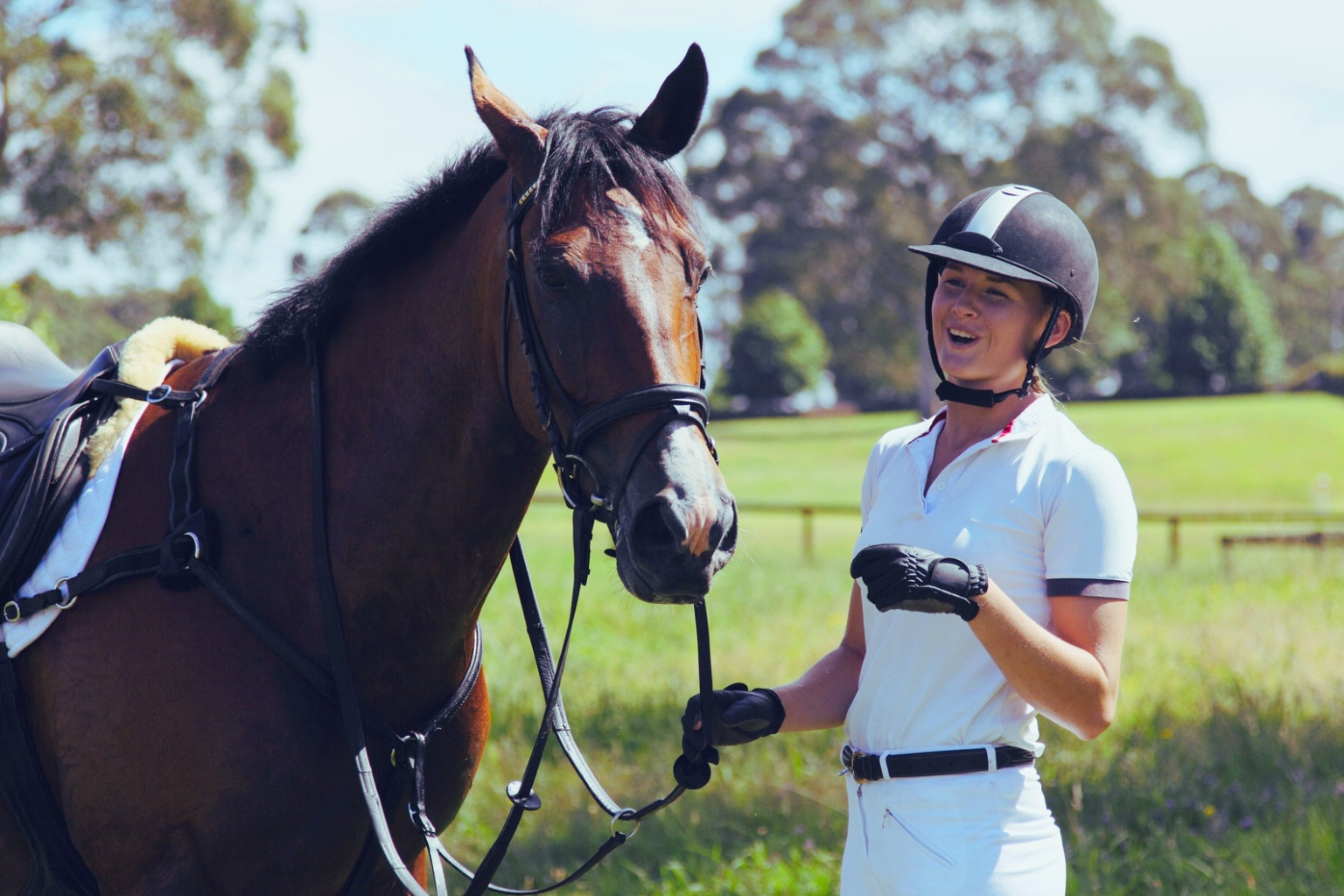

He's standing quietly. The seller says he's "easy," "safe" and only being sold because they don't have the time anymore. You can already picture the rides you'll have together. This is exactly the moment to slow down and ask yourself something harder: can you actually assess suitability well enough to make a safe decision here?
Yes, but not by relying on a lovely face, a short test ride or the feeling that this horse has chosen you. Suitability is something you assess through evidence, ideally over more than one visit, with clear eyes about your own experience, confidence and support.
A horse doesn't have to be bad to be unsuitable. He might be talented, kind and beautifully put together, and still be too sensitive, too green, too strong or too unsettled for the rider taking him home. That mismatch costs more than money. It can take your confidence, your joy, and in the worst cases, your safety.
You Don't Need to Be an Expert to Assess This
You don't need to be a professional rider to notice useful information. You do need to stop looking for proof the horse is perfect and start looking for the truth about how he behaves on an ordinary day. A good assessment really asks two separate questions. First, what is this horse actually like, including when things aren't going perfectly? Second, am I genuinely equipped for that horse as he is today, not as I'm hoping he'll be after six months of training? This is where I see buyers get caught out most. They believe a horse will settle once he knows them, or improve in a better routine, or become safer with more riding. Sometimes that happens. Sometimes he becomes less settled because a new home, new herd, new feed and uncertain handling expose problems his previous environment was quietly containing. Hope isn't a buying strategy. Neither is shame. There's no prize for buying a horse who frightens you, and no failure in admitting one is too much horse for you right now.What to Watch Before Anyone Picks Up a Bridle
The first useful information often comes before anyone touches tack. Arrive early if you can, or ask to see him brought in from the paddock and handled right from the start. Watch how he responds to people entering his space:- Is he respectful on the lead, or does he drag, barge, swing his hindquarters or crowd the handler
- Does the seller correct unsafe behaviour calmly and effectively, or make excuses for it
- Does he settle after a moment, or stay tight, fidgety and reactive to every sound
Watch Him Ridden Before You Ride Him
Don't let your first real look at a horse be the moment you climb on. Ask to see his usual rider catch, groom, tack up and ride him. Watch beyond the polished walk, trot and canter. How does he behave at the mounting block? Does he soften into the contact or brace against it? How does he react to a mistake, a passing vehicle, or a rider losing their balance? No horse is a machine. One who notices something and carries on is perfectly reasonable. The concern isn't that a horse notices the world. It's a reaction that's big, escalating, or hard for the rider to bring back under control. If the seller only shows you ideal conditions, ask to see the situations you'll actually face, riding out, opening a gate, working near other horses, standing while someone else is ridden nearby.Your Test Ride Isn't a Bravery Test
A test ride should tell you if you feel balanced, capable and able to communicate, not if you can stay on when things go wrong. Wear your helmet, use the mounting block if that's normal for you, and begin in an enclosed area. Start simply. Can you halt, walk on, steer and adjust the pace without wrestling or feeling rushed? Can you make a small error and recover without him becoming upset? Be honest about what you feel in your own body. A little nervousness trying an unfamiliar horse is normal. A clenched jaw, shallow breathing, a sense you're waiting for something to happen, or relief the moment you dismount, those are worth taking seriously. Your body often notices a mismatch before your mind can explain why.Questions That Actually Reveal the Truth
Ask for specifics, never labels. "Quiet" means something different to everyone, and "bombproof" isn't a real guarantee. Instead, ask what he does when he spooks, bucks, naps or rushes. Ask when it last happened, what triggered it, and how it was handled. Find out who's ridden him recently, how often he's worked, and what he's like after time off. Ask about clipping, floating, veterinary treatment, separation from companions and riding in new places. These aren't awkward questions. They're exactly the questions someone making a responsible decision should be asking. It's sensible to ask why he's for sale, but listen for consistency rather than a perfect answer. People sell horses for plenty of legitimate reasons. The real issue is when the story shifts, or details only surface once you ask directly. A pre-purchase vet exam matters too, but understand its actual role. It identifies health concerns and soundness on the day. It cannot tell you if his temperament, training and energy suit your confidence and your goals. You need both pieces, not one standing in for the other.The Mismatch Buyers Underestimate the Most
The most painful mismatch I see is rarely a dramatic behavioural problem. It's the slightly sharp, busy, sensitive horse bought by a rider who genuinely needed something forgiving and steady. At first the rider copes. Then a spook, a rushed transition, a difficult day, and confidence quietly erodes. Soon he's ridden less, becomes fresher, and both of you feel worse. This isn't about blaming either side. Be especially careful with a horse described as "needing a confident rider." That phrase might mean he needs calm, clear handling. It might also mean he has behaviours that will overwhelm someone inexperienced or returning after a break. Ask what confident handling actually looks like in practice. A vague answer tells you plenty on its own.When to Walk Away
Walk away when the facts don't add up, when you can't see him properly handled and ridden, or when you feel rushed to hand over money. Walk away if his behaviour genuinely scares you and you're told you just need to be braver. If you're torn, arrange a second visit and bring an experienced, independent horseperson with you, someone who'll protect your interests rather than someone dazzled by a flashy mover or swayed by a bargain price.Where This Actually Gets Decided
Here's the part that caught me off guard the first time I really paid attention to it. Buyers rarely miss the warning signs because they're careless. They miss them because nobody ever showed them what an honest answer sounds like compared to a carefully managed one, and by the time they're standing in front of the horse, their heart has already started negotiating on their behalf. Catching that in time, before the attachment sets in and the questions stop coming, is the entire difference between a lucky purchase and a planned one. My free horse-buying guide can help you recognise a few of the warning signs that are easy to dismiss once your heart's already attached, and it's meant to be used before you start inspecting horses, not after you've already convinced yourself one has to work. If you want the complete framework, the full set of questions and a printable checklist for viewing day itself, that's exactly what The True Match™ Guide was built for. The right horse may not give you the biggest rush in the first five minutes. More often, he gives you something better. Room to breathe, room to learn, and a feeling that you can build a real partnership without dreading tomorrow's ride.💛 Free Guide: 5 Red Flags to Watch For Before You Buy
The warning signs that are easy to dismiss once your heart's already attached, use it before the viewing, not after. 👉 Get the Free Guide Here
💛 The True Match™ Guide - $27
A complete framework for reading a horse and a seller honestly before you buy, with the exact questions to ask and a printable checklist for viewing day. Backed by a 30-day, love-it-or-it's-free guarantee. 👉 Get The True Match™ Guide Here