
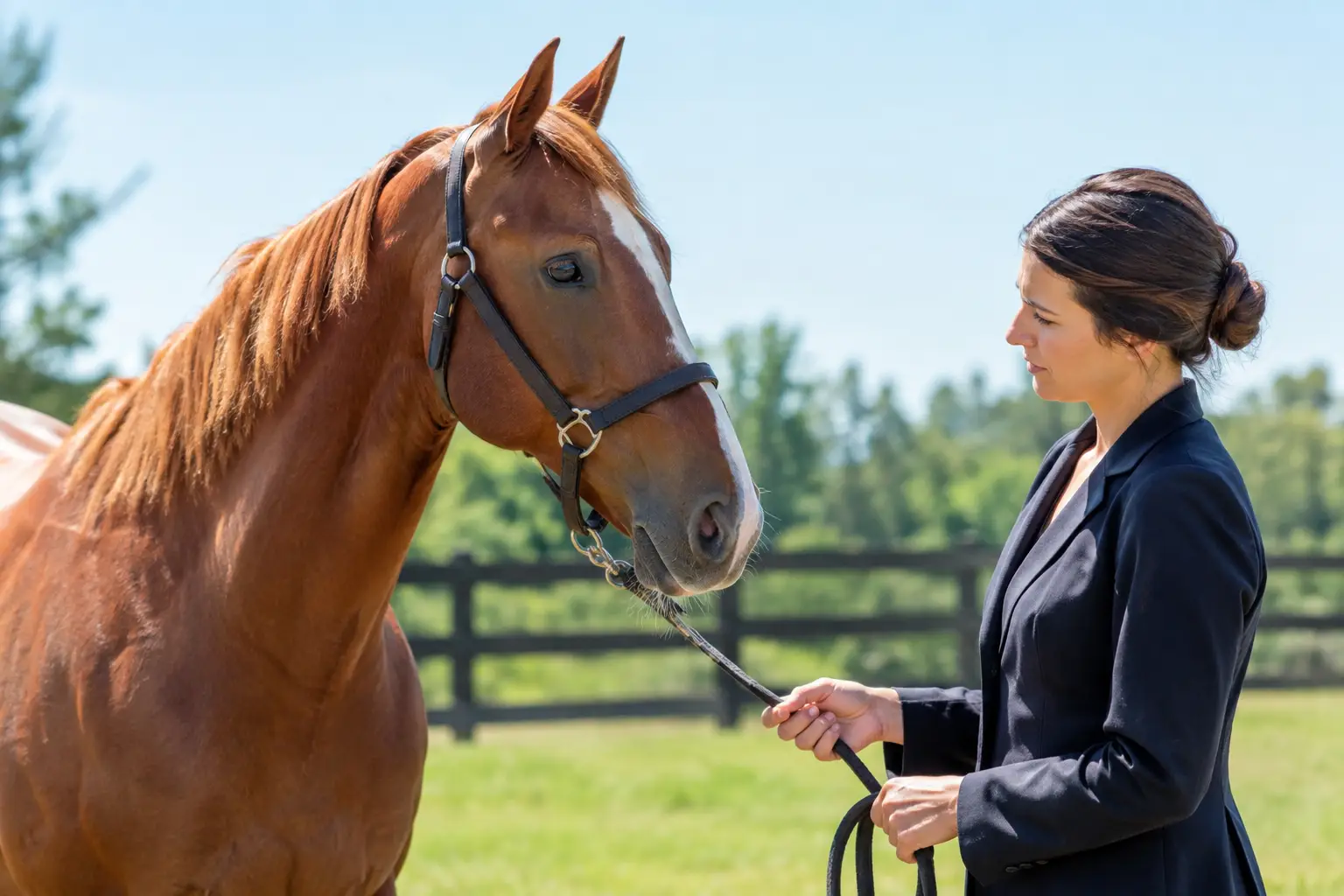
The horse stood quietly while the buyer admired his soft eye, solid build and tidy feet. Ten minutes later, when she led him away from the yard, he planted, swung his hindquarters into her space and dragged her back towards the other horses. That is a horse mismatch example worth taking seriously. Not because he was a bad horse, but because he was not safe or suitable for the person holding the lead rope.
A mismatch is rarely as obvious as a horse bucking, bolting or rearing at the viewing. More often, it sits in the gap between what the horse needs and what the rider can confidently provide. It can cost you your confidence, your savings and the simple enjoyment you hoped horse ownership would bring.
What a horse mismatch example really tells you
When people hear “horse and rider mismatch”, they often assume it means an inexperienced rider bought a dangerous horse. Sometimes that is true. But mismatches happen to capable riders too, especially after a break from riding, a change in confidence, an injury or a move to a busier environment.
A horse can be beautifully trained and still be the wrong horse for you. A sensitive performance horse may be brilliant for a calm, consistent rider with excellent timing. Put that same horse with someone who is nervous, still learning or simply wants a quiet trail partner, and both can become miserable. The rider braces and worries. The horse feels the tension, becomes sharper, and soon every ride feels like a test of nerve.
The reverse can also happen. An ambitious, balanced rider may buy a steady horse who is kind but physically unable to do the work they want to do. That may not look unsafe at first, yet it is still unfair if the horse is regularly pushed beyond his comfort, soundness or ability.
The question is not, “Is this a good horse?” Ask, “Is this the right horse for my skills, confidence, goals and daily reality?” Those are very different questions.
Horse mismatch example: quiet under saddle, difficult on the ground
One of the most overlooked mismatches involves a horse who is described as quiet to ride but is pushy, anxious or hard to handle from the ground.
Perhaps he is fine once you are in the saddle, but he barges through the gate, crowds you while grooming, pulls away to grass or becomes frantic when separated from his mates. The seller may say, “He just needs a firm handler.” That statement should make you pause.
A firm handler is not the same as a rough handler. But if you do not yet have the timing, confidence and practical handling skills to set clear boundaries without escalating the horse, you may find yourself avoiding everyday jobs. Catching him becomes stressful. Leading him is a battle. You dread bringing him in from the paddock.
That is not a small issue you can ignore because he is lovely to ride. Ground manners are part of safety. They are also part of horse ownership every single day, often before you have even picked up a saddle.
Watch how the horse behaves when there is no performance to sell. Notice him being caught, led, tied up, groomed, rugged, loaded and moved away from other horses. Watch the seller handle him, then handle him yourself. If his body language changes when you take the lead, pay attention. A horse leaning, crowding, rushing or swinging his quarters at you is giving information, not being “cheeky”.
The capable horse that is too much horse
A horse does not need to be openly naughty to be too much horse. He may be athletic, forward, responsive and exceptionally well educated. He may also react quickly to your mistakes, need regular correct work, and become tense if his routine changes.
For the rider returning after years away, that can be a painful combination. You may have ridden forward horses years ago. You may remember yourself as brave. But your current confidence and fitness matter more than the rider you were at 20.
Look for the moments that a sales ride can hide. How does the horse react when a dog barks, another horse canters past, a gate bangs or he is asked to stand still? Does he soften after a small wobble, or does he stay on high alert? Does he need an experienced rider to settle him before you get on?
There is no shame in choosing a horse who feels almost boring at the viewing. In fact, “boring” can become a very welcome word when you are riding alone, the wind has picked up, and you want to come home feeling more confident than when you left.
When the rider’s plan does not match the horse’s needs
A mismatch is not always about fear. Sometimes it is about time, money and the kind of life you can realistically offer.
Consider the horse who needs five or six consistent rides a week to stay settled and manageable. If you work full-time, have family commitments and can only ride on weekends, that arrangement may unravel quickly. The horse becomes fresh, you become apprehensive, and the horse is then labelled difficult.
Or consider the horse with a complicated management routine. Special feed, careful turnout, regular bodywork, strict shoeing intervals and limited access to grass may be manageable for one owner but not another. None of this makes the horse less deserving. It simply means the match must be honest.
Before you fall for a face over the stable door, be clear about your ordinary week. Not your ideal week. Who will feed, handle and exercise the horse when work runs late, you are unwell, or school holidays become chaotic? Where will you keep him? Will you have knowledgeable support nearby? A horse needs a life that suits him, not just a buyer who loves him.
How to spot a mismatch before you buy
You cannot predict every future problem. Horses are living, feeling animals, and a new home is a big adjustment. But you can make a far better decision by slowing down and observing more than one polished ride.
First, be honest about your present ability. Not the ability you hope to have in six months. Not what a friend says you should be capable of. Your current handling experience, confidence after a spook, balance, fitness and access to instruction all matter.
Then ask for specifics rather than accepting broad labels. “Quiet”, “safe” and “easy” mean different things to different people. Ask what the horse is like after time off, alone, in traffic, at an outing, when he is fresh, and when handled by someone unfamiliar. Ask what behaviours the current owner has had to manage. A truthful answer is not a reason to reject every horse. It gives you the chance to decide whether you can genuinely manage what is being described.
See the horse more than once if you can, in different conditions. Do not only watch him after he has been worked by a confident rider. Handle him before the ride. Ride him yourself only within safe, sensible limits. If you are not ready to ride him, that is useful information in itself.
Take an experienced, independent person who understands both horses and you. Not someone dazzled by a flashy movement or a bargain price. You need somebody who will say, “This could be too much horse,” if that is what they see.
Most importantly, do not let urgency make the decision for you. “There are three other buyers coming this afternoon” may be true. It does not change whether the horse is right for you. A seller who will not allow reasonable questions, another viewing or a proper assessment is asking you to take on too much risk. Walk away.
If you have already bought the wrong match
Many owners stay quiet when a horse feels beyond them. They worry they should be grateful, tougher or more capable. They are embarrassed that the horse everyone admired has left them frightened to catch, lead or ride.
Please do not wait for a serious incident to ask for help. Start with an honest assessment of the horse’s health, pain, management and behaviour. Then seek practical, calm support from professionals who can see the whole picture. Sometimes training, better handling and a clearer routine make a meaningful difference. Sometimes the kindest, safest decision is to find a more suitable home and choose a horse who meets you where you are.
That is not failure. It is responsible horsemanship.
A good match should not make you feel you must prove yourself every day. It should give both you and the horse room to learn, settle and enjoy the partnership. If your gut is telling you that a horse is too much, listen before your heart talks you out of it.